Towards a Plastic-Free Sundarbans: Celebrating World Environment Day 2025
BY SHABERI DAS • June 30, 2025
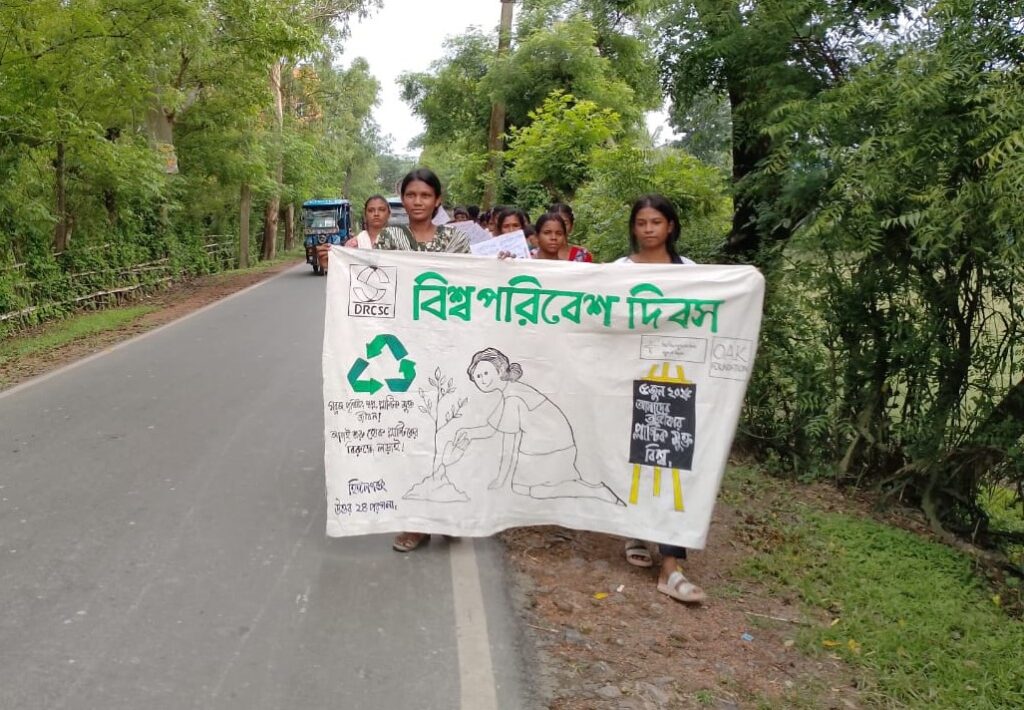
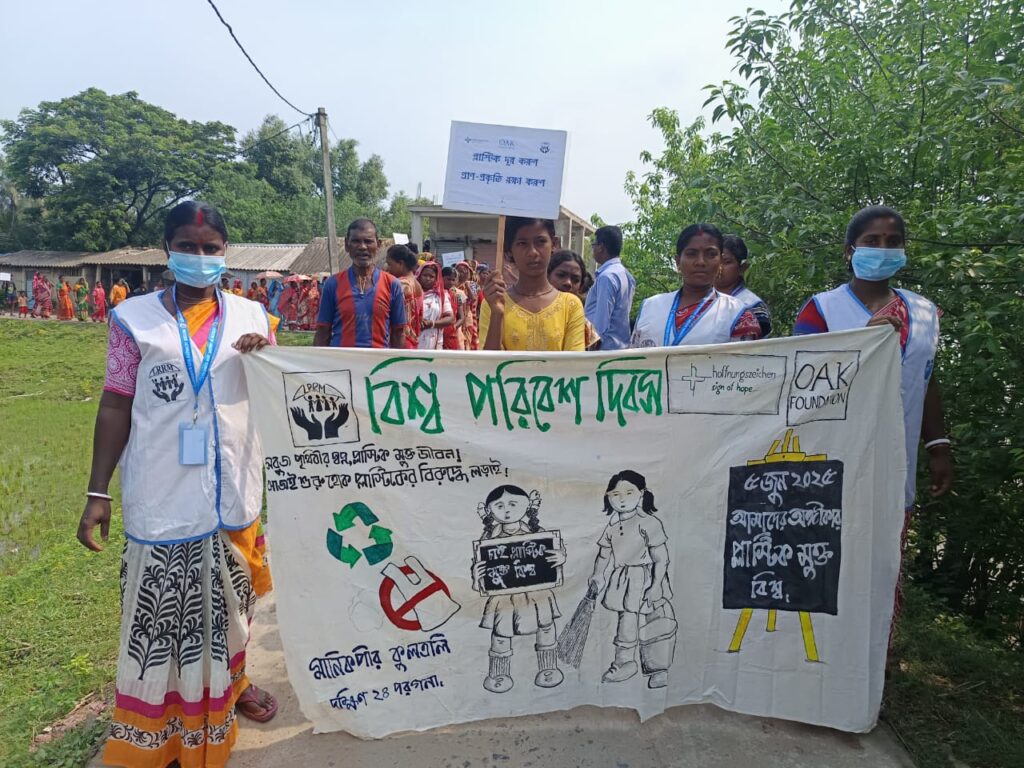
Women and youth groups lead rallies with slogans and handmade banners in Hingalganj (left) and Kultali (right), advocating for a plastic-free future.
On 5th June 2025 – World Environment Day, tribal communities across the four project blocks of the Indian Sundarbans came together to mark the day with a series of impactful, community-driven events. As part of the Sound of Silence project, the celebrations reflected a growing movement of awareness, resilience, and environmental stewardship led by tribal women and youth.
The day began with village-level discussions on the significance of World Environment Day and the urgent need for collective action in the face of mounting climate challenges. The conversations also focused on the link between plastic use and greenhouse gas emissions across its entire life cycle – from production to disposal.
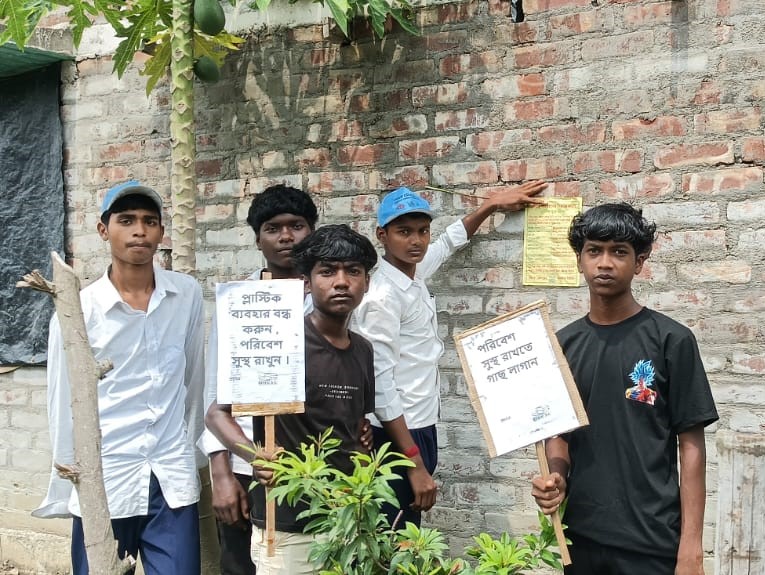
Youth in Kakdwip hold up handmade banners and posters on reducing plastic use and protecting local ecosystems.
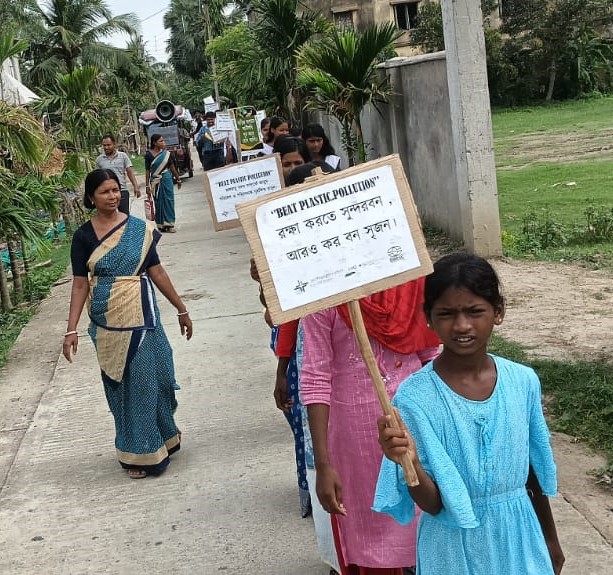
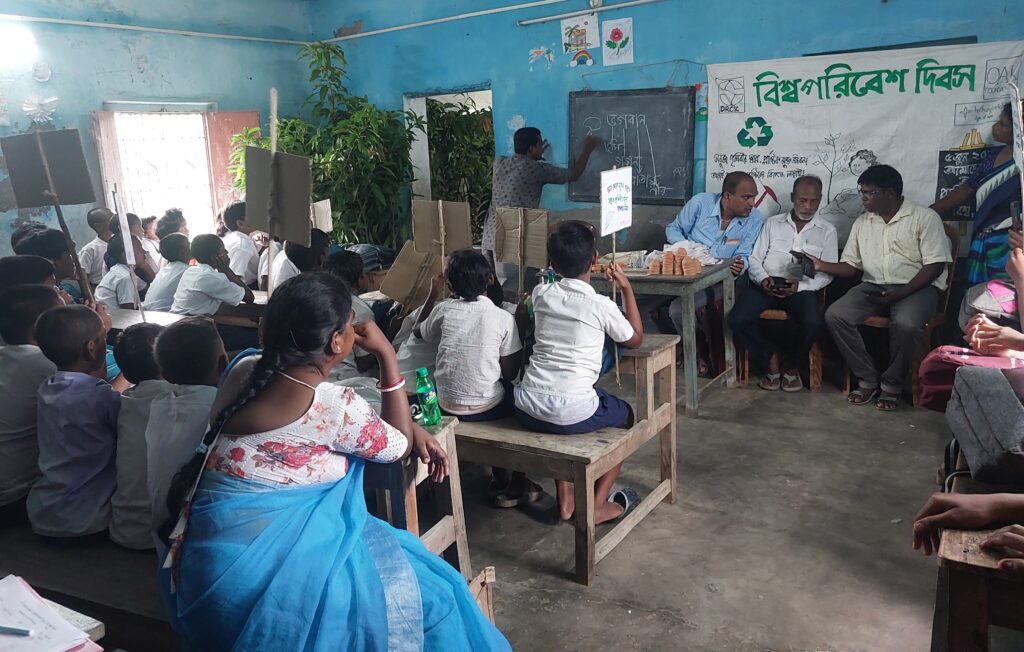
Focussed sessions at local schools discussed the harmful impact of plastic on agriculture and marine ecosystems like the Sundarbans, including its effects on microplankton, and emphasized the need to reduce dependence on non-biodegradable, single-use plastics. Youth and women’s group members led rallies through markets, village roads, and along riversides, covering several kilometres. Using loudspeakers, they raised public awareness about plastic pollution and its environmental consequences, while also showcasing a range of sustainable alternatives such as clay, glass, metal, traditional leaves, cloth, jute, and even innovative materials like derivatives from water hyacinth and mushroom (mycelium).
A project team member addresses primary school students in Sandeshkhali I, on practical steps for building a cleaner, greener future.
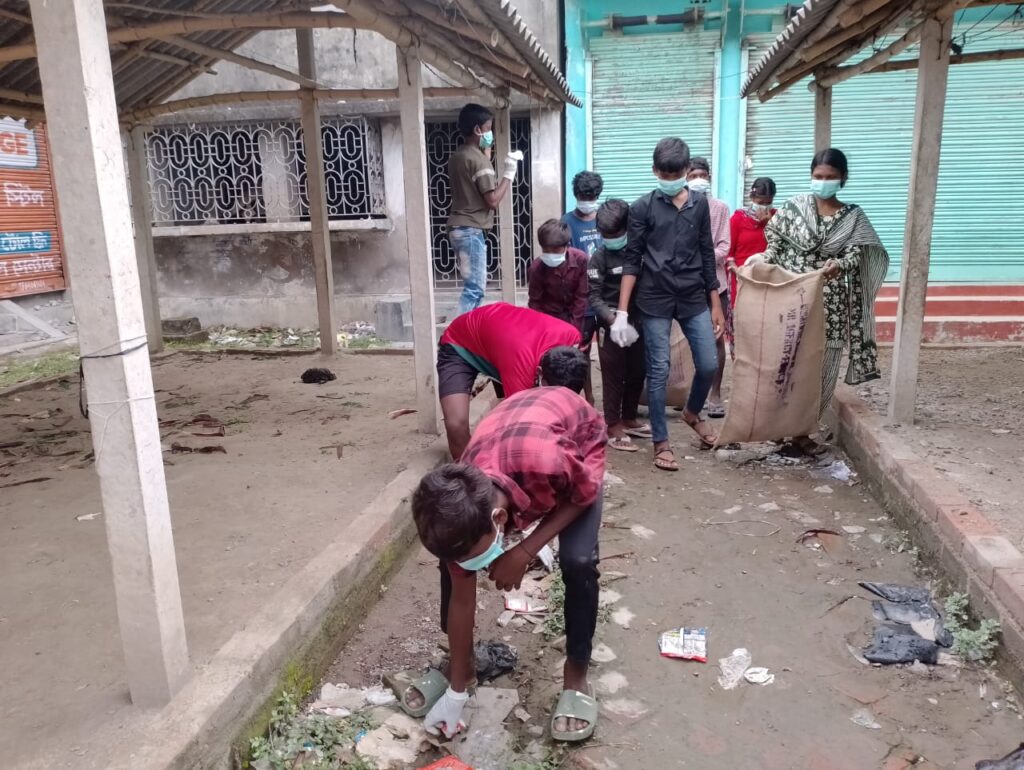
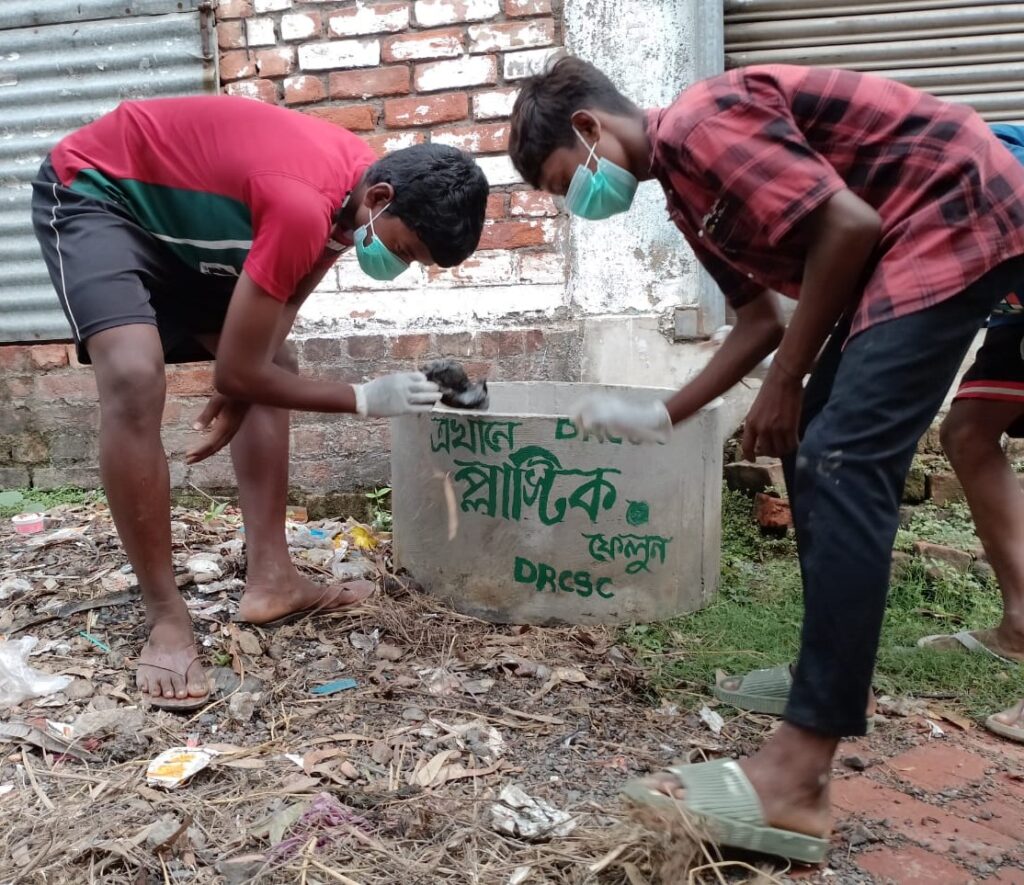
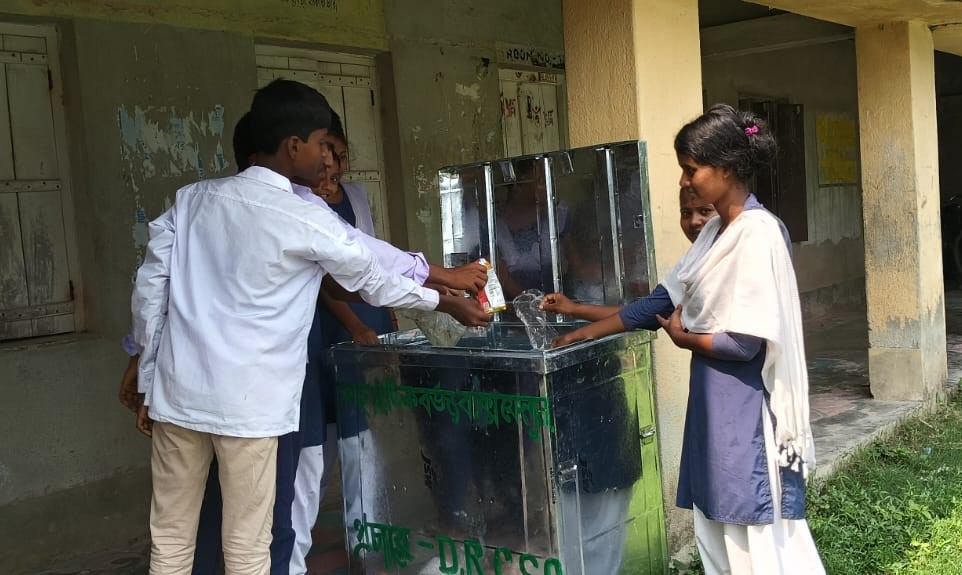
In a collaborative clean-up drive, the women and youth collected plastic waste and other non-biodegradable items from local markets and riverbanks, placing them in designated collection points. Special bins were installed at schools, marketplaces, and block offices to encourage ongoing waste segregation and responsible disposal.
Community members participate in a plastic clean-up drive at a local market in Hingalganj (above), and a waste segregation bin is installed at a Kakdwip school to support sustainable waste management (below).
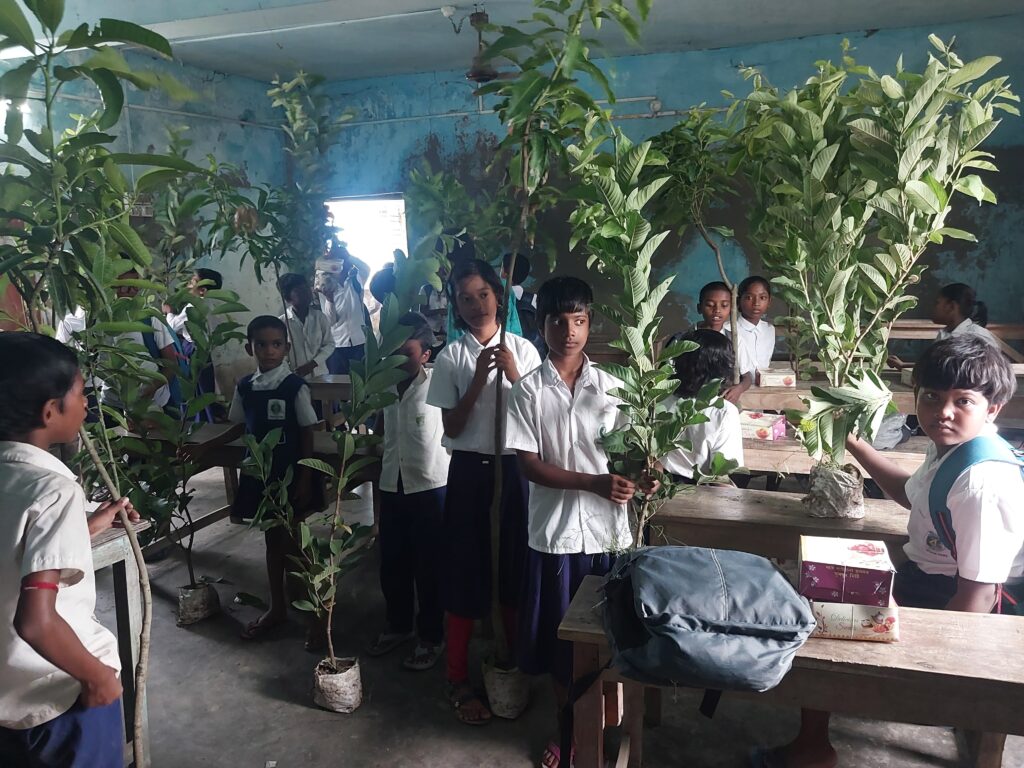
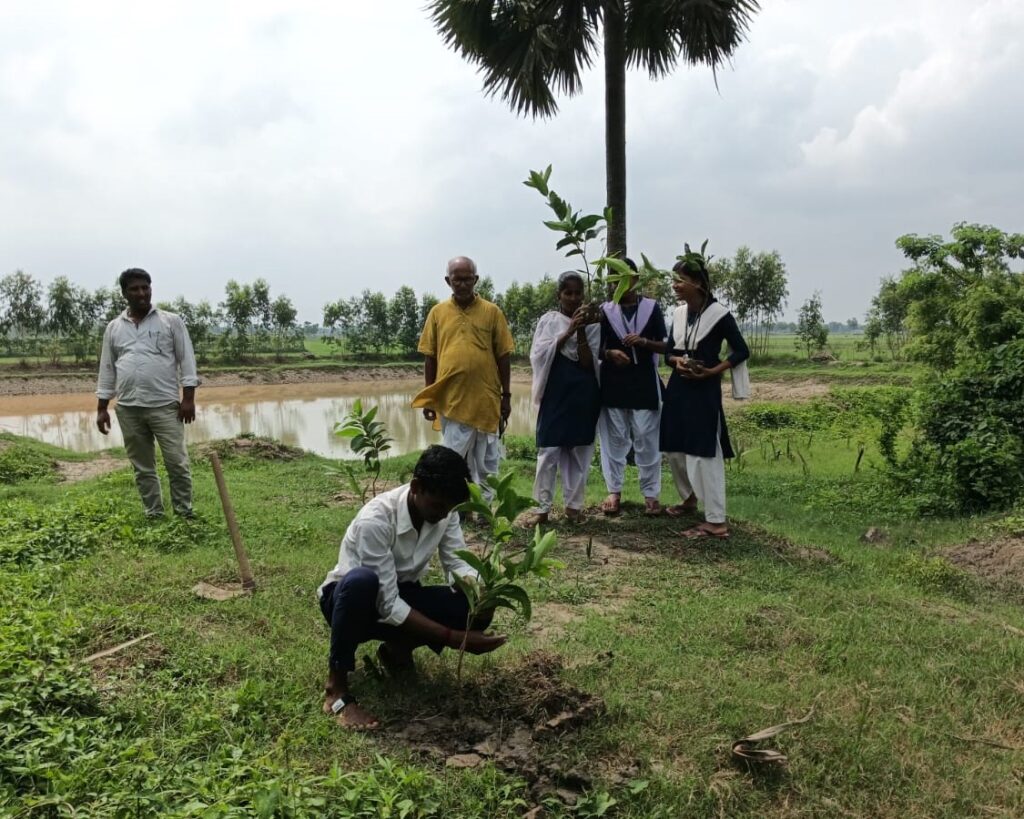
To promote ecological restoration and community-led conservation, mango saplings were distributed to the students, with encouragement to plant and care for the trees in their surroundings. This initiative aimed to reinforce a deeper connection between the communities and their natural surroundings, enhancing local biodiversity.
Students receive saplings (left) and plant them (right) to promote environmental conservation.
Notably, the celebrations were anchored by the active involvement of community youth and tribal women leaders trained through the project, who led the planning, awareness campaign, and mobilisation efforts. The project’s field staff provided them assistance in coordinating logistics, facilitating the campaign, and helping organise the rallies and school sessions.
The observance of World Environment Day in these remote tribal villages is more than a symbolic act; it marks a growing shift toward grassroots climate leadership and collective care for the environment. With Sound of Silence continuing to build community capacity and resilience to climate change, tribal voices are becoming central to shaping sustainable futures in the region.
All photographs and videos featured in this article were captured by community members and field staff as part of the project’s participatory documentation efforts.